Healthy Bulking Meals That Actually Taste Good
Discover healthy bulking meals that actually taste good. High-protein, calorie-dense recipes built for men who want to gain muscle without eating bland food.
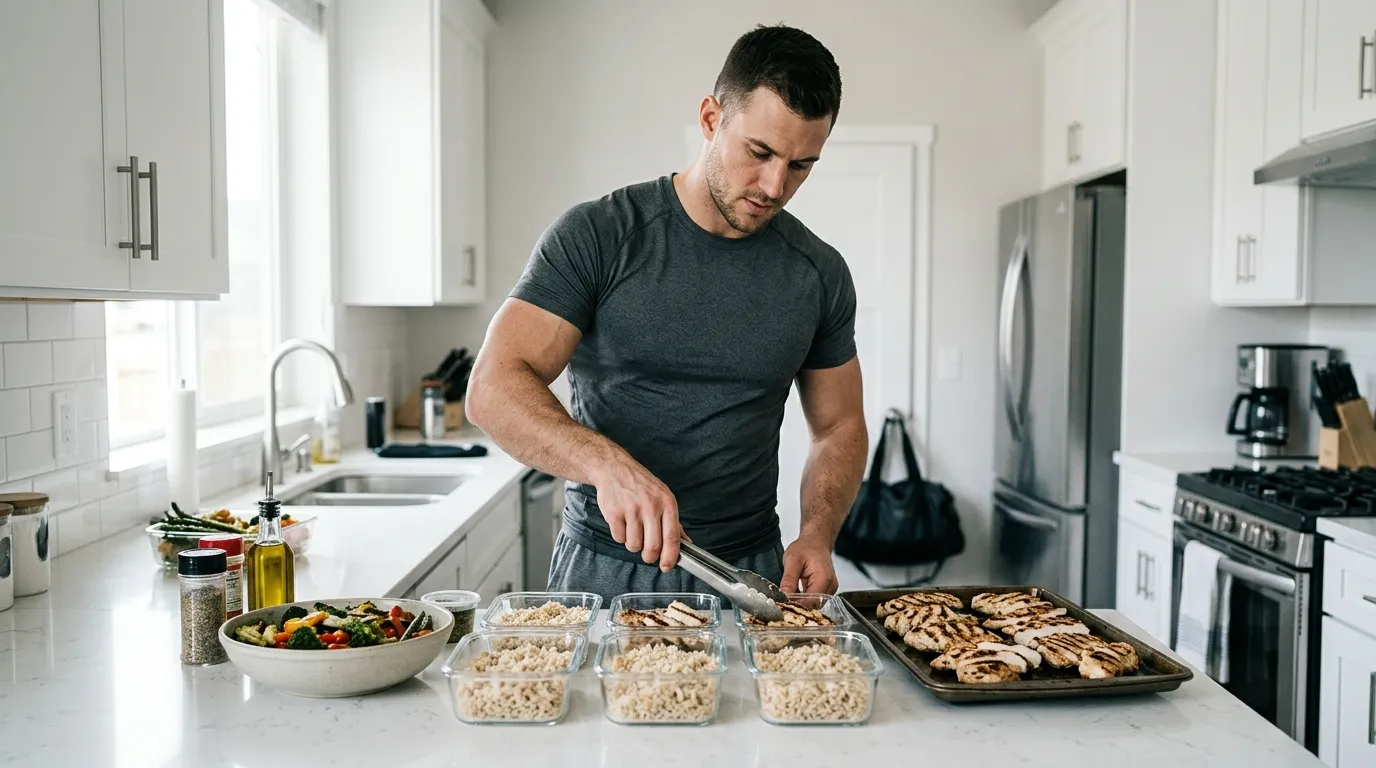
Healthy bulking meals are high-calorie, high-protein dishes designed to fuel muscle growth without relying on junk food or flavorless eating. A clean bulk means hitting your calorie surplus with whole foods that support performance, recovery, and long-term body composition. You do not have to choose between eating well and eating right.
What Is a Clean Bulk?
A clean bulk means eating in a controlled calorie surplus, typically 250 to 500 calories above your maintenance level, using nutrient-dense whole foods as the foundation. The goal is to maximize muscle gain while minimizing unnecessary fat accumulation.
protein intake should sit between 0.8 and 1.2 grams per pound of bodyweight per day. Carbohydrates fuel training intensity, and healthy fats support hormonal balance, particularly testosterone production.
Why Most Bulking Diets Fail on Taste
Most guys fall into one of two traps: they eat dirty and gain too much fat, or they eat too clean and hate every meal. Sustainability is the actual variable that determines whether your bulk succeeds over months of consistent training.
The fix is using bold seasonings, quality cooking methods, and strategic food combinations that keep calories high and palatability even higher. This is not about tricks. It is about cooking with intention.
Best Protein Sources for Bulking Meals
Not all proteins are equal when you are trying to hit 3,000 to 4,000 calories a day. You need calorie-dense proteins that carry flavor and pair well with carbohydrate sources.
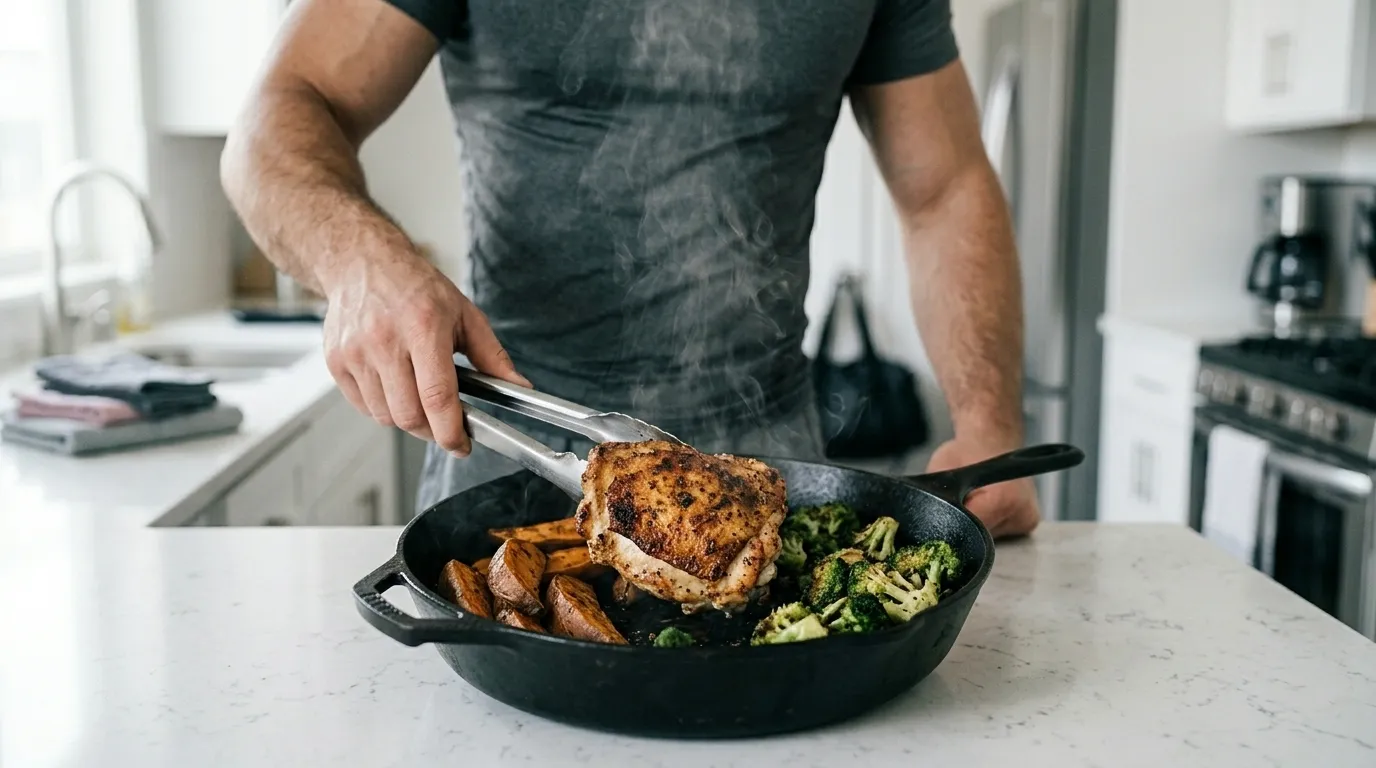
Chicken thighs — more flavorful than breast, higher fat content, easier to cook without drying out
93% lean ground beef — versatile for bowls, pasta, tacos, and stir-fries with roughly 22g protein per 100g
Salmon fillets — high in omega-3 fatty acids that reduce inflammation and support muscle recovery
Whole eggs — calorie-dense, nutrient-rich, and one of the most complete protein sources available
Greek yogurt and cottage cheese — slow-digesting casein proteins ideal for evening meals or snacks
Tuna and canned fish — convenient, affordable, and easy to build quick high-protein meals around
Healthy Bulking Meal Ideas for Every Part of the Day
High-Calorie Breakfasts
4-egg scramble with sautéed onions, bell peppers, spinach, and two slices of sourdough toast with avocado — approximately 700 calories and 40g protein
Overnight oats with whole milk, two scoops of protein powder, banana, peanut butter, and honey — approximately 800 calories and 55g protein
Greek yogurt parfait with granola, mixed berries, almonds, and a drizzle of honey — approximately 600 calories and 35g protein
Lunch Meals That Build Muscle
Ground beef rice bowl with jasmine rice, black beans, corn, salsa, and sour cream — approximately 850 calories and 50g protein
Grilled chicken thigh wrap in a flour tortilla with hummus, roasted vegetables, and feta cheese — approximately 750 calories and 45g protein
Pasta with ground turkey bolognese sauce, parmesan, and a side of garlic bread — approximately 900 calories and 55g protein
Dinner Meals for Maximum Recovery
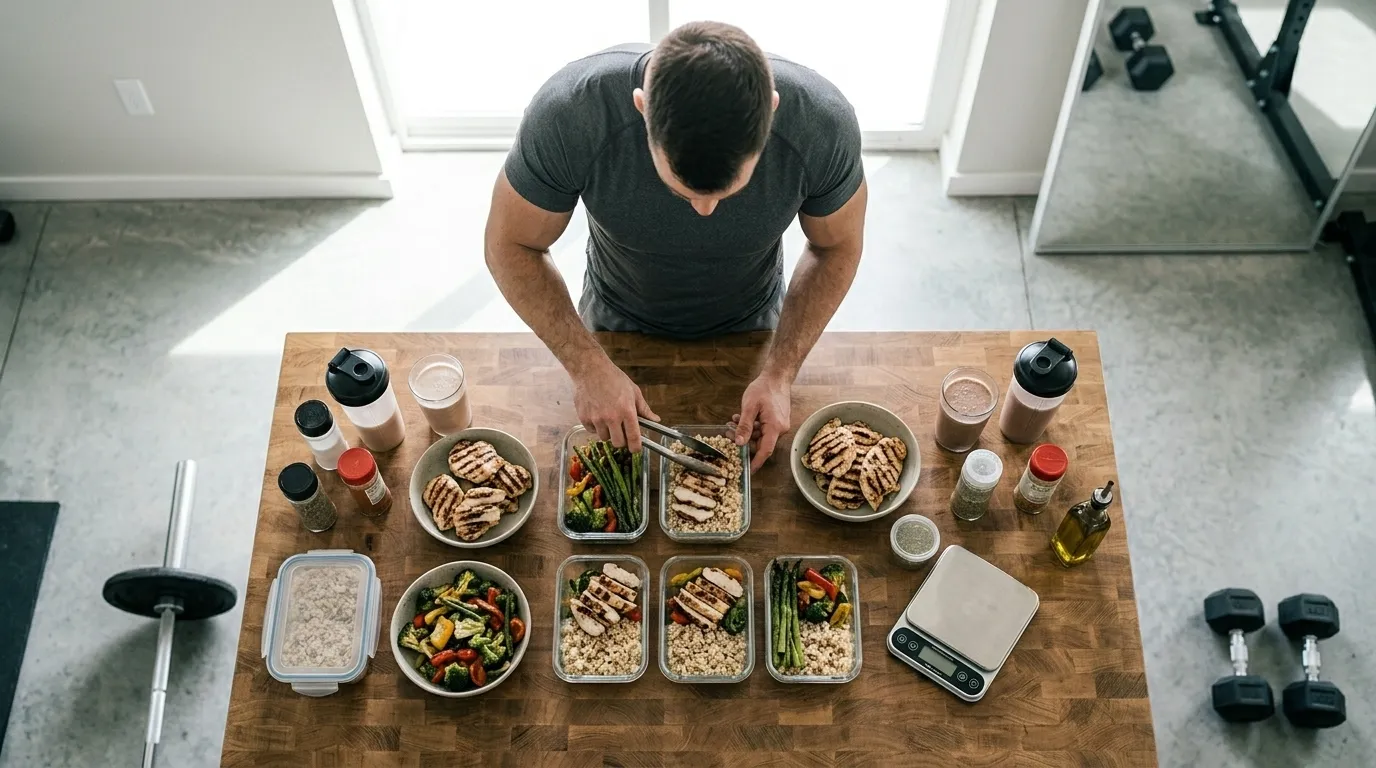
Pan-seared salmon with roasted sweet potatoes and steamed broccoli dressed in olive oil — approximately 800 calories and 50g protein
Sirloin steak with white rice, sautéed mushrooms, and a side salad with olive oil dressing — approximately 950 calories and 60g protein
Chicken stir-fry with egg noodles, bok choy, snap peas, soy sauce, and sesame oil — approximately 850 calories and 48g protein
High-Calorie Snacks That Support Your Bulk
Snacks are often where a bulk either succeeds or stalls. Choosing calorie-dense, nutrient-rich snacks between meals makes it far easier to hit your daily targets without forcing massive meals.
Peanut butter on rice cakes with a banana — 400 calories, fast and portable
Mixed nuts and dried fruit trail mix — calorie-dense, healthy fats, and easy to eat between training sessions
Cottage cheese with pineapple or honey — 300 calories, slow-digesting protein ideal before bed
Whole milk protein shake blended with oats, peanut butter, and a banana — up to 700 calories in a single drink
How to Season Bulking Food So You Actually Want to Eat It
The most overlooked variable in meal prep is flavor. Food that tastes good is food you will keep eating. The difference between consistency and diet fatigue usually comes down to seasoning, sauce, and cooking technique.
Use garlic powder, smoked paprika, cumin, and Italian seasoning as baseline spice blends for virtually any protein
Finish grilled meats with a squeeze of lemon or lime juice to add brightness without adding significant calories
Use low-sodium soy sauce, hot sauce, and sriracha as calorie-efficient flavor boosters
Cook proteins in olive oil or avocado oil for healthy fats and improved caramelization
Marinate chicken and beef for at least 30 minutes before cooking to dramatically improve texture and depth of flavor
Meal Prep Strategy for a Successful Bulk
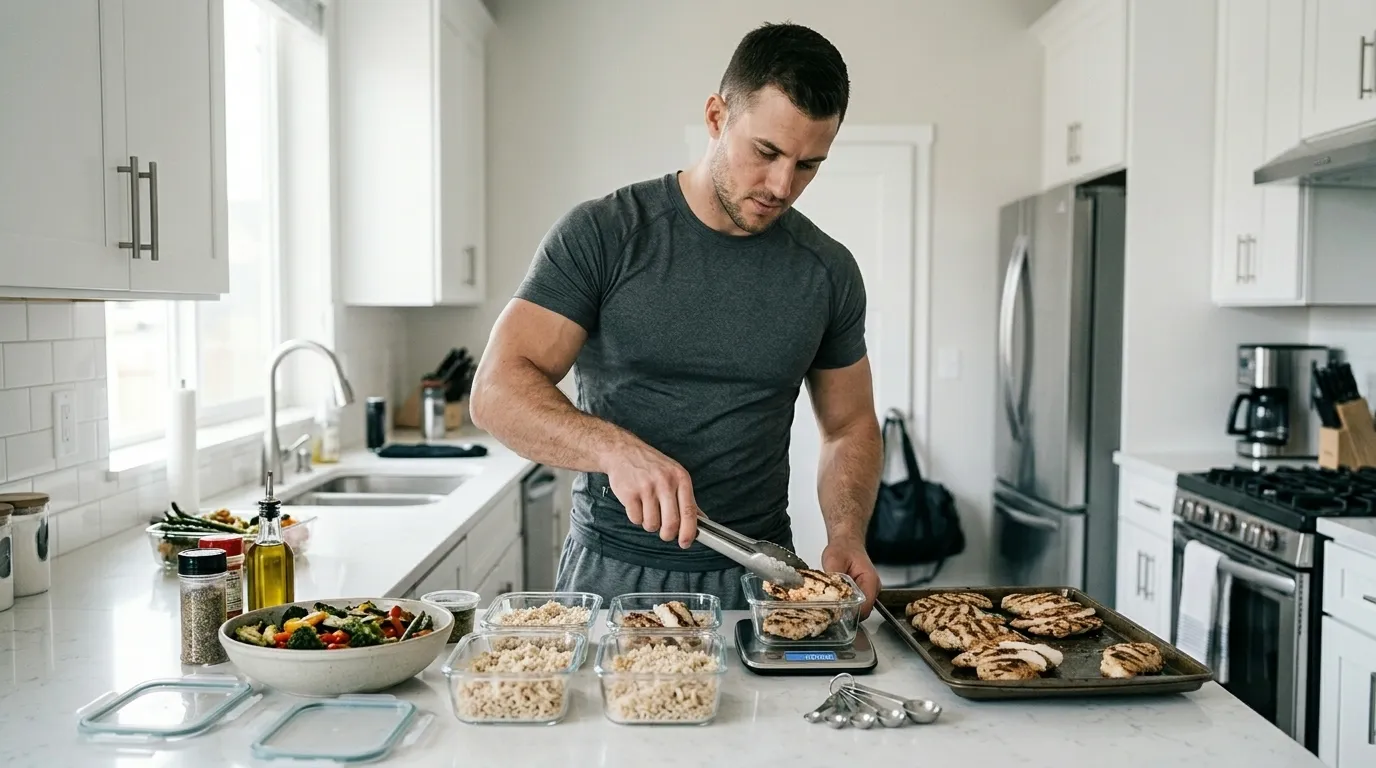
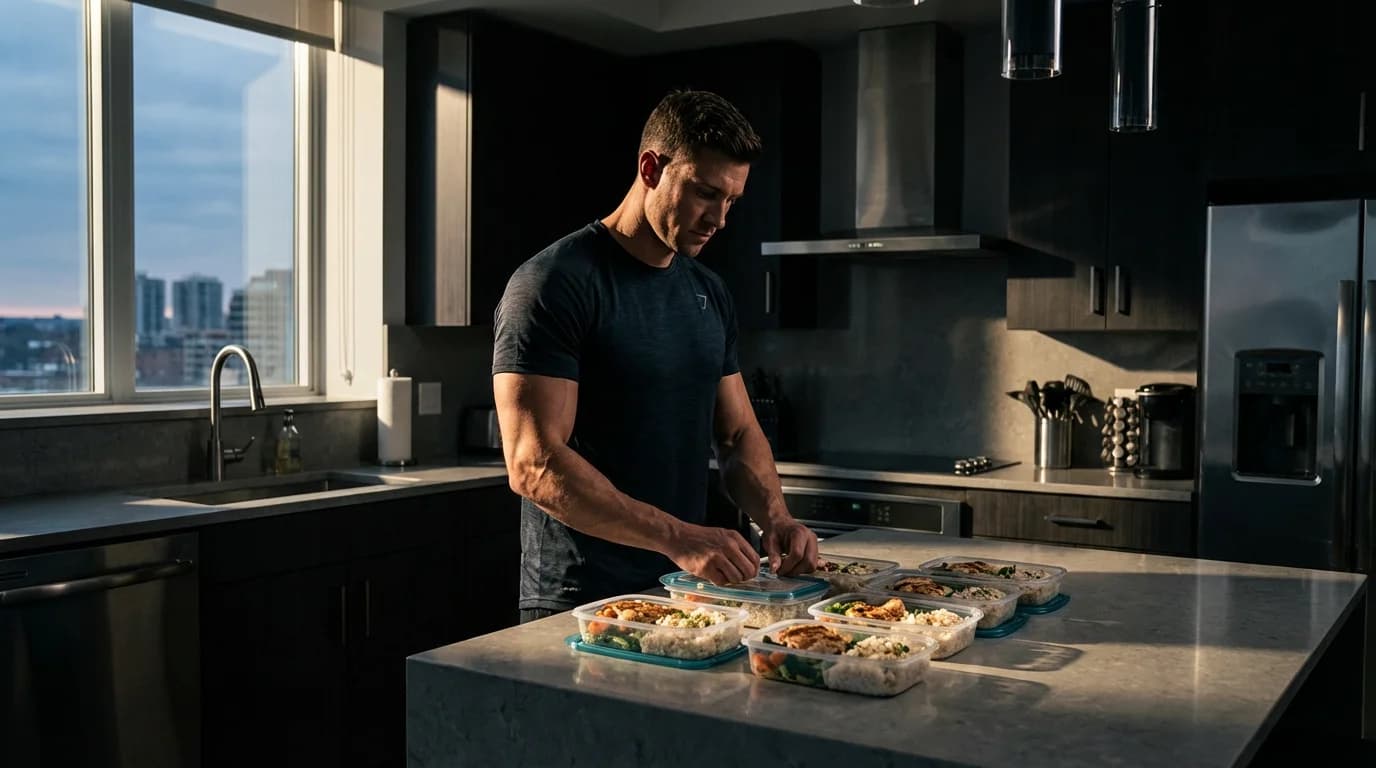
meal prepping twice per week removes the daily decision fatigue that causes most people to undereat or make poor food choices. Sunday and Wednesday are reliable prep days for most training schedules.
Batch cook 1 to 1.5 kg of protein such as chicken thighs, ground beef, or salmon per prep session
Cook a large pot of rice, quinoa, or pasta as your primary carbohydrate base
Roast a sheet pan of vegetables with olive oil, salt, and pepper for easy pairing
Portion meals into containers using a food scale or visual estimation to track calorie intake accurately
Rotate protein and carb sources each week to prevent flavor fatigue and ensure micronutrient variety
Common Mistakes on a Bulk
Eating too aggressively in a surplus of 1,000 calories or more per day, which leads to excess fat gain and makes cutting harder later
Neglecting vegetables and micronutrients by focusing only on protein and calories, which impairs recovery and immune function
Relying too heavily on processed foods and fast food to hit calorie targets, which increases inflammation and reduces training performance
Skipping post-workout nutrition and missing the critical window for glycogen replenishment and muscle protein synthesis
Sample One-Day Bulking Meal Plan
Breakfast: Overnight oats with whole milk, banana, peanut butter, and protein powder — 800 calories, 55g protein
Mid-morning snack: Mixed nuts, Greek yogurt, and a piece of fruit — 450 calories, 25g protein
Lunch: Ground beef rice bowl with black beans, salsa, avocado, and corn — 900 calories, 50g protein
Pre-workout: Banana with a rice cake and peanut butter — 350 calories, 10g protein
Post-workout shake: Whole milk, two scoops of whey, oats — 500 calories, 50g protein
Dinner: Pan-seared salmon with sweet potato and broccoli — 800 calories, 50g protein
Evening snack: Cottage cheese with honey and almonds — 350 calories, 28g protein
Total: approximately 4,150 calories and 268g of protein. Adjust portions up or down based on your specific bodyweight and calorie target.
Final Takeaway
A successful bulk is built on meals you genuinely want to eat, prepared consistently over months of progressive training. Prioritize whole food protein sources, calorie-dense carbohydrates, and healthy fats. Season aggressively, prep strategically, and stay within your surplus range.
the best bulking diet is simply the one you stick to. When your food tastes good and your meals are ready in advance, hitting your calorie and protein targets becomes a habit rather than a chore.
FAQ
How many calories should I eat to bulk without getting fat?
What are the best healthy bulking foods?
Can I do a clean bulk and still eat food that tastes good?
How much protein do I need per day when bulking?
Is meal prep necessary for a successful bulk?
Related Intel
View All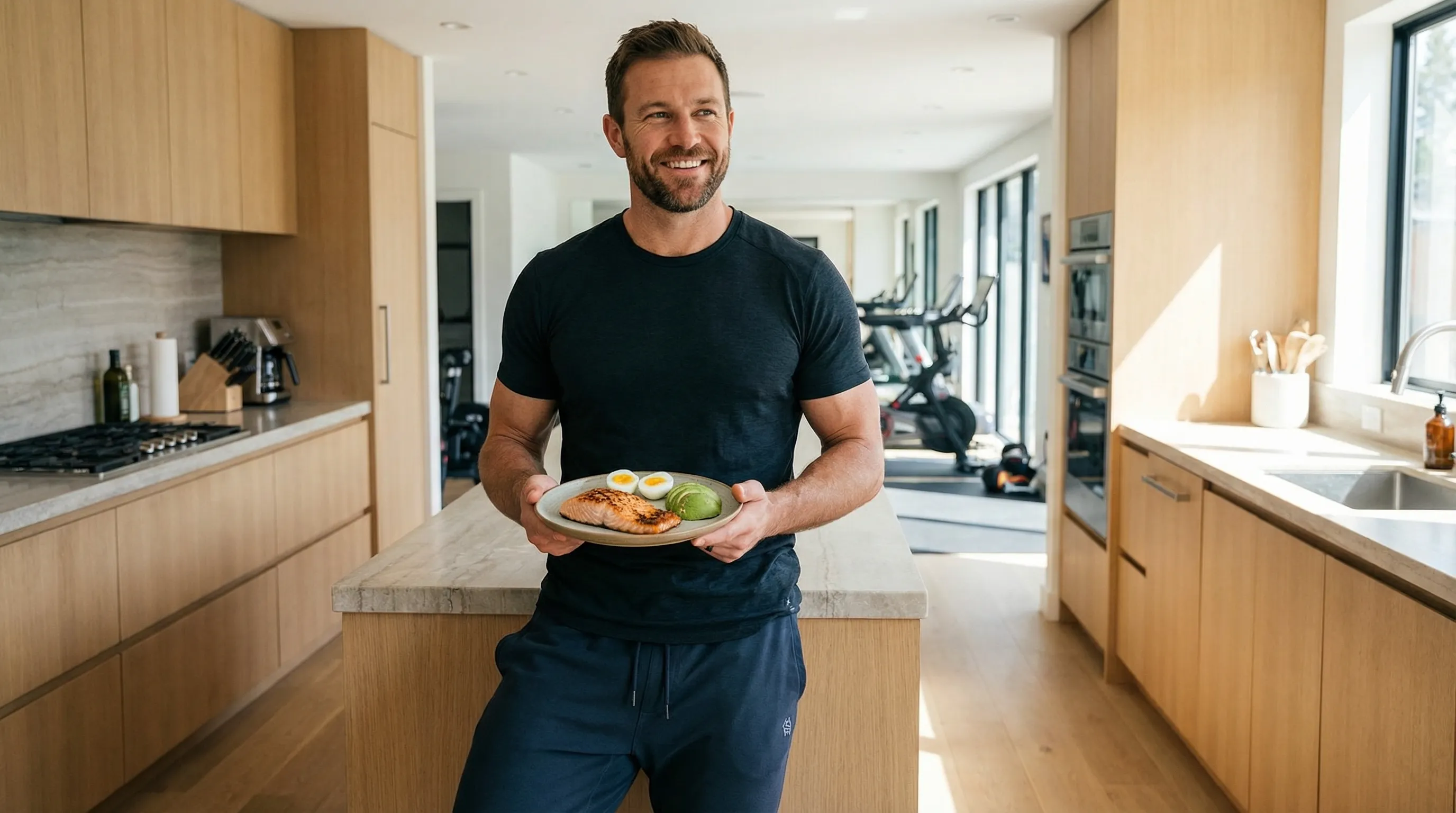
Top 10 Foods That Support Testosterone Naturally.
A practical, food-first guide that explains which foods help support healthy testosterone and how to structure them into a muscle-focused diet.
10 Easy Meal Prep Recipes for a Fit Lifestyle.
10 simple and nutritious meal prep recipes designed to keep you on track with your fitness goals.